



SESSION OVERVIEW
This interactive, practice-focused workshop explores how student experience professionals can support neurodivergent students in ways that are practical, respectful, and affirming. Grounded in coaching, strengths-based practice, and neurodiversity-affirming principles, the session focuses on what belonging looks like when students think, communicate, regulate, and participate differently.
The workshop is built around short, interactive activities, including:
– Guided reflection on assumptions and language around neurodiversity.
– Small-group scenario work on real student situations (e.g. events, clubs, volunteering, wellbeing).
– Coaching triads to practice neuroaffirming, strengths-based questions.
– A “barriers and adjustments” mapping activity to identify practical changes to communication, structure, and environment.
– A final action-planning task where participants identify one change they will implement in their role.
Participants will explore how to move beyond deficit-based or one-size-fits-all approaches by using coaching conversations, strengths spotting, and thoughtful adjustments to support student autonomy, participation, and connection. The session explicitly links this work to equity, diversity, and inclusion by:
– Framing neurodiversity as part of the university’s diversity landscape alongside culture, gender, sexuality, and disability.
– Emphasising the importance of removing barriers so all students can be authentic and thrive.
– Encouraging practices that value intersectionality and diverse ways of belonging.
The workshop will be especially relevant for staff involved in events and activities, volunteering, welfare and wellbeing, advocacy, student officer support, and clubs and societies, where belonging is often shaped by communication, flexibility, and the design of student experiences.
Session Outcomes:
- Explain core principles of neurodiversity-affirming, strengths-based practice.
- Recognise how belonging can be helped or hindered by communication, structure, and environment.
- Use coaching-informed questions and approaches that support self-awareness and self-advocacy.
- Identify practical ways to make student-facing activities and support more neuroinclusive.
- Apply a strengths-based, neuroaffirming lens in their own role and context, with explicit attention to equity, diversity, and inclusion.
PRESENTER
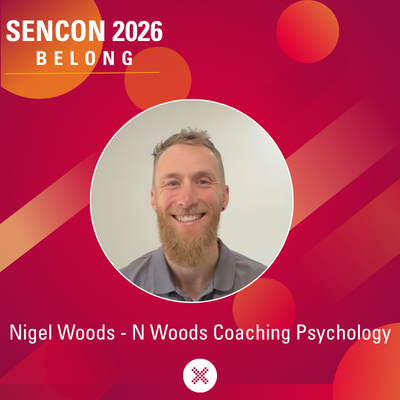
Nigel Woods is an experienced coaching psychologist based on Dharawal Country (the Illawarra) in NSW, working with individuals and groups to enhance insight, wellbeing, and performance. He worked extensively in higher education, including close to 10 years as a university counsellor supporting student mental health and academic performance. During that time, Nigel championed initiatives to drive student success, including a group therapy program for mood disorders and a highly successful peer coaching initiative. Nigel designed and established a student success coach function within the University of Wollongong, which during the pandemic pivoted into delivering a peer-coaching program in which he trained and supervised senior students to provide telehealth coaching to peers identified as at risk of not adjusting to rapidly changing circumstances.
Nigel regularly designs and delivers workshops on topics such as strengths, resilience, self-care, mindset, and leadership. His approach blends curiosity and empathy with humour under a strengths-based, neurodiversity-affirming lens. He is passionate translating psychological research into practical tools that SENCON participants can use in everyday conversations and in the
fantastic work they do engaging students to feel seen, supported, and able to belong.