



SESSION OVERVIEW
We know that belonging is one of the strongest predictors of student wellbeing, engagement, and success. Yet many students – particularly international students, students from migrant and refugee backgrounds, and those who have relocated to study – can struggle to build meaningful social connections beyond the classroom.
Drawing on Welcoming Australia’s Welcoming Universities and Welcoming Clubs initiatives, this session will highlight how sport, recreation, volunteering, and community-based activities can help students find their place, develop friendships, build confidence, and become active members of their local communities.
Rather than viewing belonging as something that happens only on campus, this session positions universities as civic institutions that connect students to the places where they live and study. Fostering connections through student guilds and associations, alongside local clubs, councils, and community organisations, universities can help students establish social
networks, develop leadership skills, foster intercultural understanding, and build a stronger sense of identity and purpose.
Welcoming and inclusive clubs, whether campus or community based, don’t assume that all students understand why they exist or how they operate. Instead, they self-reflect and take time to understand that students have different starting points for accessing their spaces. They provide varied on ramps to these connection opportunities and meet students where they are.
If we get the welcome right, students will join. If we get the inclusion right, they will stay. And if we help them get a sense of belonging, they will gain the many benefits we know that come from becoming part of broader community life.
These experiences can support students who may otherwise remain disconnected from campus and community life, and improve student retention, wellbeing, and overall experience.
Session Outcomes:
Participants will:
• Understand the role social connection and community participation play in student belonging and success.
• Explore how student associations, guilds, sporting clubs and community organisations can contribute to student belonging.
• Identify strategies for supporting international and culturally diverse students to build meaningful networks and connections.
• Consider how universities can contribute to more welcoming, inclusive communities while improving student outcomes.
• Reflect on their own privilege and bias and how that impacts the way they engage with others and the experience they create.
Key Questions for Discussion
• How do we create on-ramps to community participation opportunities that meet students where they are at rather than asking them to do all the work to learn, mould and fit the existing offer?
• How can sport create intercultural understanding, friendship, and social cohesion?
• What role should universities play in building welcoming communities for students?
PRESENTERS
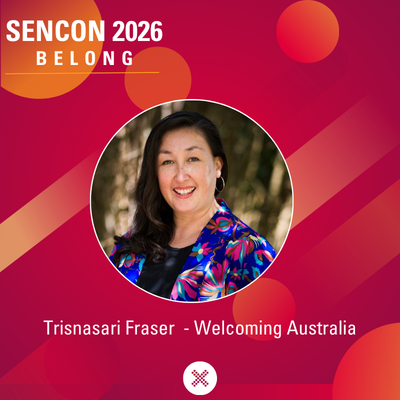
Trisnasari Fraser is Welcoming Universities Coordinator and a registered psychologist with endorsement in Community Psychology. She has a decade of university sector experience in research, teaching and coordinating roles. She has published widely about social cohesion and community resilience through intercultural music engagement, the wellbeing of culturally diverse artists and lived experience research. Her work in mental health services has spanned clinical, educational and community program settings.
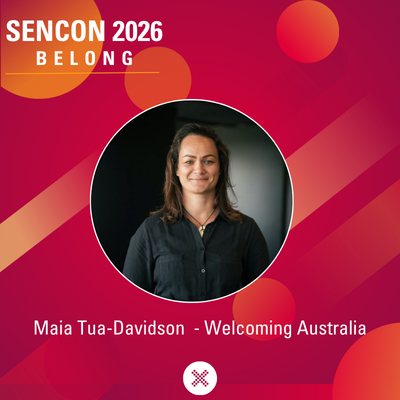
Maia Tua-Davidson is the Manager of Welcoming Clubs at Welcoming Australia and an experienced facilitator specialising in workplace inclusion, belonging and cultural capability. She works with employers, local governments, community organisations and sporting bodies across Australia to strengthen inclusive practices, reduce barriers to participation and
employment, and create environments where people from all backgrounds can thrive.
Outside of her professional role, Maia is the Head Coach of the Queensland Under 19 Women’s State of Origin Rugby League team, volunteers on two sporting committees, and is a small business owner.